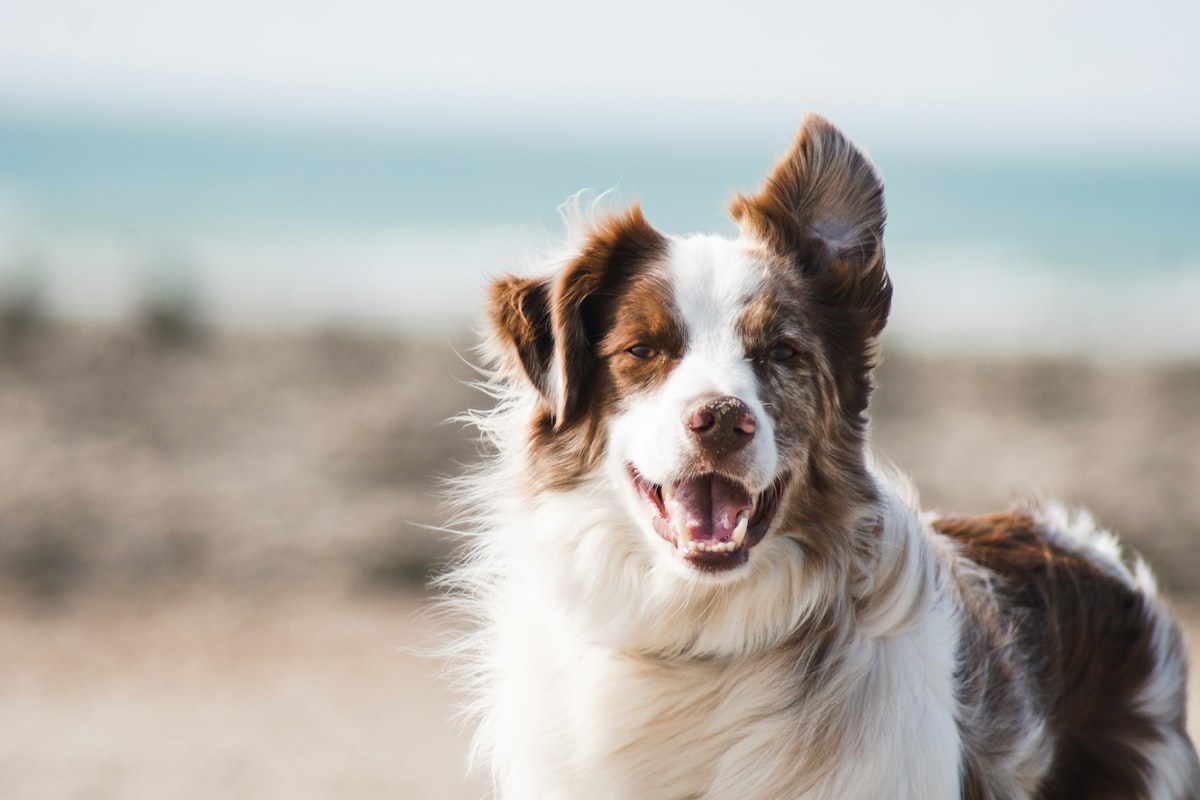
Living with a dog in Mountain View is genuinely pretty great, most of the time. Mild weather, walkable neighborhoods, Cuesta Park, the Stevens Creek Trail, and a community that actually likes dogs all make it a good place to have one. But it also means your dog is out in the world a lot, around cyclists and scooters and kids and other dogs, and that is where things can get complicated.
A dog who loses it at every passing bike, or who drags you down Castro Street, or who barks for twenty minutes after you leave for work, is not a personal failure. It is just a dog who has not been taught what you want yet, or who has not gotten the support they need. That is fixable.
Good training is not really about sit and stay, though those are fine. It is about building a shared language with your dog, helping them feel less stressed and more confident, and making daily life less of a battle. Whether you have an eight-week-old puppy, a newly adopted rescue, or a three-year-old who has developed some habits you would like to change, the right help makes a real difference.
Why training matters more in a city like Mountain View
Dogs in Mountain View are out in the world constantly. That is the upside of living here. But it also raises the stakes.
A dog who pulls on leash is annoying on a quiet street. On Castro or on the trail near Shoreline, surrounded by bikes and strollers and other dogs, it becomes genuinely hard to manage. A dog who is reactive or anxious does not get better by avoiding everything, but they can get better with the right approach.
It also adds up over time. Leash pulling often turns into reactivity. Mild separation anxiety turns into shredded furniture. Puppy mouthing that seemed cute at twelve weeks becomes a real problem at six months. Small issues are much easier to address early, before they become habits.
That said, if your dog is already past the puppy stage, that is fine too. Adult dogs learn. Rescue dogs learn. It just starts with figuring out what is actually going on.
What Mountain View dog owners usually need help with
The most common things people reach out about:
- Puppies: house training, crate training, biting, jumping, basic manners, socialization. The early months go fast and there is a lot happening at once.
- Adolescent dogs, roughly 6 months to 2 years: this stage catches a lot of owners off guard. Dogs who seemed to be doing fine suddenly start ignoring cues, getting overexcited, or becoming reactive on leash. It is a normal developmental phase, but it helps to have a plan.
- Adult dogs: leash pulling, barking, resource guarding, anxiety when alone, trouble with guests or strangers. These are the issues that tend to build up over time.
Social behavior comes up a lot too, dogs who are friendly but way too much about it, and dogs who are fearful or reactive around other dogs, kids, or anything on wheels. In a city this active, those issues show up on every single walk.
A lot of owners are not actually looking for a perfectly obedient dog. They just want to feel less stressed, understand what their dog needs, and have a clearer idea of how to respond when things go sideways.
What good training actually looks like
A good trainer helps both of you, not just the dog. The goal is not to fix your dog in a session while you watch. It is to show you what is working, what is not, and how to keep making progress at home between sessions.
Most trainers working today use reward-based methods. That means reinforcing the behaviors you want to see, rather than correcting the ones you do not. Treats, play, praise, access to things your dog finds rewarding, whatever works for your dog. It is widely used because it works, and because it does not involve scaring or hurting the dog to get results.
That does not mean there is no structure. Timing, consistency, and clear expectations all matter. A good trainer will help you understand why you are doing what you are doing, so you can apply it outside of sessions.
If your dog has serious fear, aggression, or anything that looks like panic or compulsive behavior, look for someone with experience in behavior cases specifically, not just basic obedience. And in some situations, a vet or veterinary behaviorist may be part of the picture too.
Group classes, private lessons, or board and train?
There is no format that works for everyone.
Group classes are great for puppies and dogs who are reasonably comfortable around other dogs. They cover basic manners, they are usually affordable, and the built-in distractions are actually useful for practicing real-world skills. They are also a good way for owners to learn the fundamentals alongside other people going through the same thing.
Private lessons work better when there is a specific concern, reactivity, fear, a behavioral issue that is tied to your home environment, or a dog who is too overwhelmed to learn anything in a group setting. They are also just more flexible if your schedule is unpredictable.
Board and train programs are worth understanding carefully before committing. A dog can learn a lot staying with a skilled trainer. The real question is what happens when they come home. If the owner does not understand how to maintain what was built, the progress tends to fade. Ask how the program handles the transition back to you, not just what the dog will know at the end.
Puppy training in Mountain View
Puppies raised in Mountain View get exposed to a lot, traffic, outdoor patios, crowds, bikes, construction noise, kids on scooters. That is actually an opportunity. The socialization window is short, roughly up to 14 to 16 weeks, though the effects extend beyond that, and the experiences a puppy has during that time shape how they respond to the world for years.
Socialization does not mean forcing your puppy to interact with everything. It means creating calm, positive exposures so they learn the world is not something to panic about. A puppy who has been thoughtfully introduced to the stuff they will encounter in Mountain View is easier to train, easier to walk, and generally less anxious as they get older.
House training, bite inhibition, crate training, sleep schedules, and leash introduction all need attention during those first few months. Most new puppy owners wait to see if things sort themselves out. Sometimes they do. More often, the habits just get more established. Getting help early is almost always worth it.
Training an adult dog or rescue
Adult dogs learn. It is a real myth that they do not. Rescue dogs in particular often do remarkably well once they have some consistency and time to decompress.
A newly adopted dog often looks different at week one than they do at week four or week eight. Some seem shut down at first and gradually come alive. Others seem fine immediately and then start pushing boundaries once they are comfortable. Neither is unusual, it is just adjustment.
What tends to work well with adult dogs: predictable routines, rest, mental stimulation, and building the relationship before drilling skills. Once your dog trusts that things are consistent and safe, skills like loose-leash walking, recall, and settling in public usually come much faster.
The main shift is letting go of stubbornness as an explanation. Dogs who seem stubborn are usually confused, stressed, under-motivated, or just have not been taught what you are actually asking. That is workable.
How to choose a dog trainer in Mountain View
Ask how they work, what kinds of dogs they have helped, and what they expect from you between sessions. A trainer who cannot clearly explain their approach in plain language is a red flag.
Ask about experience with your specific situation, not just yes I have worked with reactive dogs, but what that actually looked like and how it went.
No trainer can guarantee results, especially with behavior cases. Anyone who does is overselling. What you want is someone honest, observant, and willing to adjust when something is not working.
Pay attention to how your dog responds during and after sessions. Training should be something your dog can actually participate in, not something they are just enduring. Shutdown, hiding, or increased anxiety after sessions are signs something is off.
Training takes time, and that is normal
Dog training is a process. Some behaviors shift quickly. Others, especially ones tied to fear or arousal, take weeks or months of consistent work. That is not a sign that something is wrong. It is just how behavior change works.
The owners who get the best results are not usually the ones with the most time. They are the ones who understand what they are working on, do a little consistently, and know how to read what their dog is telling them.
If you are looking for dog training in Mountain View, start by getting clear on what you actually want to change. Calmer walks. A puppy who is off to a good start. A dog who does not fall apart when left alone. Those are real, solvable problems. The right trainer will help you work on them in a way that makes sense for your dog’s personality, your schedule, and the actual city you are living in.